Attention Writers Who Want Their Books Paying the Bills Instead of Dusting Your Hard Drive

There is a sneaky Kindle formula quietly turning ordinary writers into prolific publishers who release complete, polished books in hours… while everyone else is still stuck on chapter three.

Not a gimmick.

Not a “push one button, get a masterpiece” fantasy.

A repeatable way to turn any topic into a full, KDP-ready book fast enough that your royalties can finally outpace your word count.

BookyAI — The Complete Publishing Pipeline interface

The BookyAI dashboard — your entire publishing pipeline in one clean interface.

My name is Laura Thompson, and if you’ve ever spent three, six, twelve months grinding through a single manuscript while other authors put out title after title and climb the rankings, then you already feel the real problem:

You’re writing like it’s 1999 in a marketplace that moves like 2026.

The Kindle game doesn’t reward the person who works the hardest on each sentence.

It rewards the person who can publish high-quality, reader-pleasing books over and over without burning out.

Right now, most writers are trapped in the slow lane.

They outline for weeks.

They draft for months.

They revise until they hate their own ideas.

By the time their book finally limps onto Amazon, the niche is overcrowded, the trend has cooled, and some pen name with fifty-plus titles already owns page one.

Meanwhile, the numbers aren’t pretty:

  • Most hopeful authors never even get that first book live.
  • Most who do publish never cross more than a tiny trickle of royalties.
  • And the “traditional” route has people waiting a year or more between releases while agile KDP authors quietly publish every single month.

So the calendar becomes your enemy.

Every extra week you spend wrestling a single book is a week someone else is planting ten new royalty seeds in the exact niches you planned to enter.

And yet the standard advice keeps you stuck at the keyboard:

“Write everything yourself.”

“Slow down, perfect every chapter.”

“Good books take as long as they take.”

It sounds noble.

In practice, it keeps smart writers broke.

Because here’s what actually happens when you try to do everything by hand, the old way:

  • You spend your limited time on word-by-word labor instead of building a catalogue you actually own.
  • You miss emerging sub-niches because you’re still polishing the last project.
  • You wake up to find your “big idea” already buried under a flood of fast-follow books.
  • While you’re polishing chapter seven, someone else is publishing their seventh title.

That’s why this sneaky Kindle formula exists.

It flips the entire equation so that your main job is choosing smart topics and steering the ship… not typing every sentence, formatting every page, and rebuilding the entire process from scratch for each new book.

Now, if your experience with “AI help” so far has been a mess of half-finished drafts and weird, choppy chapters that don’t sound like the same author from one page to the next, stay with me.

You already know what doesn’t work:

  • Handing $3,000 to a ghostwriter who promises a “bestseller” and sends back 40,000 words you’d be embarrassed to put your name on.
  • Trying to duct-tape a book together from raw AI chats, jumping between prompts, copying and pasting into docs, fighting with tone, structure, and endless reformatting.
  • Paying every single month for a shiny web app that caps your output, slaps “usage limits” on your creativity, and buries the fine print about who actually controls the content you create.

Each of those options pretends to solve the “slow book” problem.

In reality, they just shift the bottleneck.

With ghostwriters, you wait months, hand over thousands, and still end up rewriting.

With raw AI, you get Frankenstein chapters and formatting that Amazon loves to flag.

With subscriptions, you’re forever renting your own production line, and the moment you stop paying, the line shuts off and the work you built on top of it goes with it.

And while all that drama plays out, your real complaint never goes away:

You’re losing entire months to a single book, watching other authors flood niches with dozens of titles, scoop up rank, and stack royalties that look suspiciously like the full-time income you wanted.

Now layer on the “tech fear” that keeps so many talented writers stuck.

You’ve been told that to actually compete, you need to:

  • Master elaborate AI prompt frameworks.
  • Learn complex tools with dashboards that look like airplane cockpits.
  • Mess with command lines and coding “just a little” to make things work.
  • Oh, and keep $97 flowing out of your account every month, forever, to keep access.

That’s the part nobody says out loud:

The more you depend on someone else’s platform, the less of your publishing business you actually own. You’re not building a catalogue. You’re renting one.

So let’s pull this back to the sneaky Kindle formula.

At its core, it does three things differently:

First, it treats your time as the scarce resource, not your words.

Instead of assuming you’ll spend 40–80 hours coaxing one book into existence, it gives you a way to go from topic to complete, structured manuscript in a fraction of that time.

Second, it bakes in real “book-ness.”

Not random blog posts stapled together, but professional front matter, back matter, and chapter flow that reads like a coherent, human-planned publication. The kind of behind-the-scenes work that takes hours to get right so your reader never has to think about it.

No more “this feels like a chatbot wrote it” reviews.

No more dread that Amazon’s quality checks will slam the brakes on your launch.

Third, you keep what you make.

You create it, you keep it. Pay once. Own it forever.

No recurring tollbooth.

No fine print that lets a third party feed your manuscripts into their training data or hold your catalogue hostage the day you decide to walk away.

You can think of it as an invisible engine behind your author brand:

You choose the niche (with help from built-in market intel so you’re not walking into overcrowded categories).

You map the angle and promise.

You feed those decisions into a simple, guided workflow.

Out the other side comes a full draft that actually feels like one voice from cover to conclusion, plus all the “professional” touches most writers postpone or skip:

  • Clean title page, copyright, disclaimer, and other front matter that make your book look like it belongs on a real shelf.
  • Back matter that nudges readers into your next book, your email list, or your pen-name universe.
  • Structure that doesn’t lurch from style to style because you stitched it together in twenty different chat sessions.

From there, with one click, you can spin out every file format Amazon expects.

No wrestling with weird margins.

No late-night crashes converting to KDP-ready layouts.

No wondering if this version will trip some automated flag.

That’s how you turn “sneaky” into “scalable”:

You quietly build multiple pen names across different niches.

You release new titles on a reliable schedule instead of “whenever I finally finish.”

You watch your bookshelf expand and your royalties compound, instead of betting everything on a single, slow-motion release.

And yes, this lead is pointing toward a book - because a formula this powerful deserves to be fully laid out, step by step, in a format you can return to every time you launch a new title.

A book that doesn’t just show you how to move faster, but how to do it without cutting corners on quality, without handing over control of your catalogue, and without turning your writing life into a second full-time job.

In the pages that follow, I’m going to walk you through that exact process:

  • How to spot Kindle niches before they flood.
  • How to turn any promising idea into a complete, consistent manuscript in hours instead of months.
  • How to give every book the kind of polish - front to back - that earns reviews instead of refunds.
  • And how to do it using simple, guided steps that any serious writer can handle, even if complex tech makes your eyes glaze over.

Most importantly, I’m going to dismantle the story you’ve been handed your entire career:

The story that says only books written slowly, line by line, over months of struggle can succeed… and that anyone using modern tools must either be a tech wizard, chained to endless subscriptions, or churning out junk you wouldn’t stand behind.

By the time you’re done with this letter, that idea won’t just look shaky.

It’ll look like the reason you’ve been stuck at one book while your future readers are still waiting for the rest of your catalogue to exist.

The writers who quietly siphon Kindle royalties in their sleep are not better than you—they’re running a sneaky formula you were never shown.

While you grind for months on a single manuscript, they spin one idea into a finished, KDP-ready book in a weekend… then do it again next week… and the week after that… until they’re sitting on a small army of titles that never clock out.

And the brutal part?

The platforms are set up so their catalogs snowball while yours stalls.

Most people who dream about publishing never even get a first book over the line.

Among the ones who do, the vast majority never clear a thousand bucks a year from everything they’ve written.

Not because they lack talent.

Because they’re stuck inside a slow, noble, “I must write every word myself” model… in a marketplace that rewards speed, volume, and consistency.

You see it on your dashboard:

One lonely spine trying to breathe on page 7 of a niche, while someone else with fifty near-clones of your idea sits on page 1, 2, and 3—owning all the search terms, all the “customers also bought,” all the impulse clicks that should be landing in your account.

Meanwhile, the traditional route tells you to be patient.

Wait a year and a half between releases. Hand your timeline, your income, and your momentum to a schedule you don’t control.

On the other side of the fence, the KDP crowd that figured this out can ship new books monthly.

Not spam. Not garbage.

Just… built properly.

That’s the sneaky Kindle formula at work:

Stop treating every book like a one-off passion project and start treating your catalog like a production line that turns ideas into assets you actually own.

Because writing everything yourself—every outline, every chapter, every bit of front-matter and back-matter, every format tweak—doesn’t just take time.

It keeps you broke.

While you’re wrestling with chapter three for the fourth week in a row, they’re:

  • Testing three different niches to see which one pops.
  • Dropping another pen name into a gap before it floods.
  • Lining up the next release so the algorithm never forgets them.

All of that is leverage.

Here’s how the math really plays out behind the scenes:

If it takes you three months to finish a book, that’s four books a year—if life doesn’t get in the way.

If your friend is using a tight system and can spin up a solid book in a few hours, polish it, and publish every month?

In the same year you both “work hard,” they’re sitting on twelve shots at royalties and ranking while you have four.

4

books / year

The old way

12+

books / year

With a system

Stretch that gap over three years.

Who do you think the algorithm favors?

Who do readers recognize?

Whose reviews compound?

This is the quiet rigging of the game.

And when you try to close the gap without a real system, you get pushed into three traps that look like solutions but bleed you dry.

Trap one: expensive “done-for-you” writers.

You wire three grand to someone who promises a bestseller-quality manuscript.

What you often get back is a book that sounds nothing like you, drifts off-topic halfway through, repeats itself, or worse—borrows a little too heavily from “research.”

You don’t find that out until the money is gone and your name is on a file you can’t publish without rewrites.

Trap two: doing battle with raw AI.

You open ChatGPT, start pasting prompts, and suddenly your “shortcut” turns into a forty-hour stitching job:

  • One chapter reads like a professor, the next like a teenager.
  • Subheadings don’t line up.
  • The voice forgets what it promised in the introduction.
  • Front-matter and back-matter are an afterthought, so your book looks like a blog post, not a real publication.

Then KDP kicks it back for formatting glitches or flags sections for “similarity,” and you’re back in the dungeon, manually patching paragraphs.

Trap three: shiny monthly tools.

The pitch sounds perfect: click a button, get a book.

Until you read the fine print:

  • You’re paying ninety-seven dollars every month for the privilege.
  • Your output is capped.
  • Your content lives on their servers.
  • If pricing changes, the company sells, or they shut the lights off, your “pipeline” goes with them.

You end up renting your own catalog from someone else.

Meanwhile, the real edge—the actual sneaky formula the quiet earners use—looks very different:

  • It doesn’t live in a browser tab you don’t control.
  • It doesn’t require you to master a PhD in prompt engineering.
  • It doesn’t ask you to gamble thousands on a stranger’s writing voice.
  • It turns any solid idea into a complete, structurally sound manuscript in hours, not months.
  • It locks in one consistent style from introduction to conclusion, so no chapter feels like it was written by a different brain.
  • It quietly builds the pieces most writers fumble: acknowledgments, copyright page, about the author, calls to your other titles, even the little signposts that keep readers turning pages.
  • It lets you test niches before they saturate, instead of arriving after a wave of near-identical titles.
  • It spits out clean files in every format Amazon cares about, so you’re not up at midnight Googling “why won’t my EPUB upload.”
  • And most importantly, it lives where your work lives—on your machine, in your folders—so no platform, no subscription, and no shutdown notice can take what you’ve built.

That’s the kind of system that shifts you from “I hope this one book works” into “this is the quarter I launch five more titles across two pen names.”

I didn’t understand any of this when I started.

I did it the hard way for years.

I bought the promise that if I just tried harder, outlined better, bought one more course, I’d eventually “break through.”

I stacked subscriptions—Sudowrite, Jasper, ChatGPT Plus—on top of each other until the monthly charges blurred.

I hired a ghostwriter once for a few thousand dollars and stared at a manuscript I couldn’t use.

My lowest point was a Tuesday around one in the morning.

I had an outline in one tab, a spreadsheet of niche ideas in another, a chat window full of half-broken prompts, and a chapter draft I hated.

My hand was shaking—not from coffee, but from the realization that I’d spent three months on one book.

Three months.

During that same stretch, people I knew casually in this space had published fifteen, twenty, even more.

They weren’t smarter than me. They weren’t better writers. They had a formula. I had chaos.

That night I made one decision: if no one was going to hand me that formula, I’d build it myself.

So I did.

I tore my process apart and rebuilt every stage:

Ideaniche check
Nicheoutline
Outlinecoherent chapters that remember what came before
Manuscriptreferences, front-matter, back-matter
Final draftplagiarism checks, formatting, export

Sixteen little moving pieces, quietly wired together so that what used to take me four months started taking me a weekend. Most of that work happens under the hood, in the parts a writer never has to see.

When it finally clicked, I used it to publish more books in a few months than I had in the previous few years combined.

Then I watched a friend who’d been stuck on her first book for two years run it on her laptop and end up with a finished manuscript in days—on her own machine, in her own folders, with no monthly bill attached.

She cried.

I nearly did too.

That’s when the sneaky Kindle formula stopped being a theory in my head and became something I could hand to another writer who was tired of being left behind.

If you’re serious about building a catalog that pays you while you sleep—quitting the day job, launching multiple pen names, watching your titles climb into those “bestseller” slots instead of sinking under a wave of lookalikes—you don’t need to write slower, work harder, or pray for a viral miracle.

You need a system that turns your ideas into finished, KDP-ready books at the speed this marketplace actually runs—and leaves the books in your hands when it’s done.

In the next part, I’ll walk you through how that system works, why it doesn’t depend on any one platform’s goodwill, and how you can start using this sneaky Kindle formula to move from “one book, no traction” to a real publishing engine you fully own.

Let’s pull back the curtain.

Step 1: Retire the “One-Book-Per-Season” Grind

The habit that keeps most smart writers broke is not “lack of talent.”

It’s the idea that a “real” book must take you months of grinding, second-guessing, and tweaking every comma before it deserves to exist.

Meanwhile, other authors quietly upload fresh titles every week, stack royalties, and claim the spots your slow project was aiming for.

In digital publishing, the shelf life of an idea is short.

If you spend 90 days wrestling one book to the ground, the niche may be flooded before you even hit publish.

The fix is not to care less about quality.

The fix is to stop doing quality the slow, manual way.

Instead of writing every chapter from scratch by hand, you shift into building a repeatable book system you actually own:

  • A way to turn any topic into a full manuscript in hours, not months.
  • A structure that keeps chapter flow consistent from page 1 to “About the Author.”
  • A process that produces clean front-matter and back-matter automatically, so your book looks like it came from a traditional house.

Once you see your work as a catalog, not a single masterpiece, everything changes.

You stop guarding one book like a fragile heirloom and start behaving like a publisher who needs steady, reliable output.

That’s when passive income becomes real: not because a lone “perfect” book saves you, but because dozens of solid, well-structured titles go to work for you while you move on to the next one.

Step 2: Walk Away From Tools That Rent You Back Your Own Work

Most writers trying to speed up walk into the same trap: renting their production tools forever.

A shiny site promises “instant books” for a low monthly fee.

You hook your entire publishing process to it, upload your ideas, maybe even your outlines… and now your career sits behind someone else’s login page.

That doesn’t just eat your profits; it puts a chokehold on your output.

You start thinking, “Can I afford to build three books this month?” instead of “What niche do I want to dominate next?”

And if that platform changes pricing, caps word count, or disappears?

Your “system” vanishes with it. So does the work you fed into it.

The alternative is simple: own your core tools outright.

The engine you use to build books should be something you pay for once, install, and keep. The books that come out of it should belong 100% to you - not the vendor, not their training set, not their next pivot.

It should never limit how many titles you create, what niches you enter, or how much money you make with the results.

When you’re no longer meter-running every chapter you generate, you become far more willing to test new angles, pen names, and subgenres.

You can spin up a series idea on Monday, branch it into three related books by Friday, and not think twice about “credits” or “tiers.”

That’s how a catalog grows fast - and stays yours, no matter who raises their subscription price next month.

Step 3: Drop the “Prompt Engineer” Costume

A quiet belief sabotages a lot of talented writers:

“If I just learn the perfect prompts and master every technical trick, then I’ll finally be fast.”

So you end up spending late nights testing weird prompt chains, tweaking temperature settings, and debugging formatting problems instead of… creating books.

Now your writing life looks less like publishing and more like unpaid tech support.

The honest truth: your income does not come from being good at command lines, APIs, or obscure settings.

Your income comes from finished, publishable books that readers actually enjoy.

Raw, unstructured AI chat is fine for ideas and brainstorming.

But when you use it to brute-force a full book, chapter by chapter, you pay the price:

  • Voices that shift halfway through the book.
  • Paragraphs that ignore what you set up three chapters back.
  • Formatting that makes Amazon’s systems twitchy and triggers quality flags.

You don’t need to become a technician to fix this.

You need a production lane where the heavy lifting - structure, consistency, formatting - is already handled for you. The kind of behind-the-scenes work where someone spent the late nights so you don’t have to.

That means:

  • A guided process that keeps tone and style stable across the entire book.
  • Built-in templates for front-matter, back-matter, and chapter flow so you don’t reinvent the wheel every time.
  • One-click exports in the exact formats the big platforms accept, with no wrestling with strange converters.

You return to being what you actually are: the decision-maker.

You choose the niche, the angle, the pen name, the series strategy - while the system handles the grunt work you were never meant to babysit.

Step 4: Stop Outsourcing Your Outcome to Strangers

When the slow grind and tech headaches get bad enough, the next move often sounds noble:

“I’ll just hire a professional writer and get a ‘bestseller-level’ book.”

On paper, it looks like a shortcut.

In practice, it’s a gamble with your money and your name on the cover.

You wire thousands for a manuscript you haven’t seen.

You cross your fingers that the person on the other side of the world understands your market, your tone, and basic non-plagiarized research.

Sometimes you get decent work.

Sometimes you get warmed-over blog posts, stitched-together AI content, or chapters that don’t even agree with each other.

By the time you realize it, the money is gone, the deadline has slipped, and you’re back in the same spot: still without a reliable way to produce your next ten books.

The real issue isn’t that “everyone out there is bad.”

The real issue is that this model gives you no control and no repeatable process.

You don’t need another roll of the dice.

You need a way to produce books where:

  • You can see and guide the outline before the words are generated.
  • You can keep the voice and structure consistent across every chapter and every future title.
  • You never have to wonder whether someone quietly fed scraped content into your manuscript and put your name on it.

Instead of handing your entire book to a stranger, you bring the process in-house and make it fast.

You create from a place where quality is consistent because the system is consistent - where you know exactly how the book was built, what went into it, and how to do it again for the next idea.

That’s how a real publishing business feels:

not like betting on a freelancer’s mood,

but like turning a well-oiled crank whenever you want another asset in your catalog.

Step 5: Stop Treating Each Book Like a One-Off Experiment

Most writers who dream of leaving their day job still think in terms of “this book.”

This book will be the one.
This book will finally rank.
This book will free me.

That mindset quietly kills momentum.

You spend weeks fussing over tiny details in a single title, while other authors build entire series, spin-offs, and pen names that occupy whole rows in the store.

In digital publishing, money doesn’t come from a lone miracle.

It comes from a body of work that covers multiple angles of a topic, multiple adjacent niches, and multiple entry points for new readers.

To get there, you stop operating like an artist with one canvas and start operating like a publisher with a production line.

That means:

  • Using tools that help you spot hungry niches before they explode with copycats - so you’re early, not late.
  • Building repeatable outlines that can be adapted to any topic while still reading like a human wrote them.
  • Standardizing your front-matter and back-matter so every book quietly sells the next: email list links, “also by” pages, series continuity.

Now each book is not an isolated project.

It’s a tile in a mosaic that points back to your name (or pen name), your catalog, your royalties.

When you think this way, you stop over-investing emotional energy into a single title and start focusing on speed plus consistency.

Not sloppy speed.

Structured speed.

You move from “I’ve been working on this book for eight months” to

“I can bring a complete, KDP-ready book to life in a day or two whenever I choose.”

That shift - from hand-writing everything yourself to running a smart, system-driven operation you fully own - is the line between a hopeful writer and a working publisher.

And once you cross it, your books stop being dreams on your hard drive and start becoming assets that pay you while you sleep.

– Laura Thompson

Step 1: There Is A Faster Way To Publish Like A Pro

For years, I did what everyone tells “real” authors to do: outline by hand, draft for months, rewrite until my eyes burned, then stumble through formatting, cover specs, and upload quirks one headache at a time.

Meanwhile, other names in my niche were dropping new titles like clockwork and stacking royalty screenshots while I was still arguing with a table of contents.

That grind is the trap: writing everything yourself, in the slowest way possible, keeps you chained to the keyboard instead of collecting payouts.

So I built something very different.

Not a shiny “idea generator.”

Not another $97-a-month black box that holds your manuscripts hostage and locks you out the day you stop paying.

A complete publishing engine that sits on your computer, plugs into the AI accounts you already pay for, and walks a topic from idea → outline → chapters → edits → references → cover concepts → KDP-ready files… in hours instead of months.

You open a clean web interface on your machine.

You describe the book you want to bring to life.

Then the system fires up a 16-script production line under the hood that does the boring, brittle, technical work people normally lose weeks to.

I spent the long hours writing the messy code underneath so your side of it stays simple.

The result is not a random AI dump.

  • You get a structured outline that actually makes sense.
  • You get chapters that flow, build, and stay on topic instead of wandering into “AI slop” territory.
  • You get proper front-matter and back-matter that make your book look like it belongs on a real shelf, not a spam folder.

On top of that, it can scout profitable corners of the store before they get trampled, so you’re not writing into a dead market.

From there, one click gives you the export formats Amazon accepts, already dialed into their weird little rules.

All of it running locally.

All of it using keys you control.

All of it designed so one focused person can out-publish what used to take a team.

Not because you work harder than everyone else.

Because you finally stop doing the parts a machine can do better.

Step 2: What You Don’t Have To Do Anymore

Now, read this part slowly, because it matters.

You do not have to spend your evenings trying to master 57 “secret” prompt templates just to get a chapter that doesn’t read like a parody.

You do not have to rent your own writing career back from a subscription tool that charges you $97 every single month and walks away with your files if you ever cancel.

You do not have to wire three grand to a stranger and pray they don’t hand back a manuscript that sounds nothing like you.

You do not have to memorize command-line spells or debug Python errors at 1 a.m. when all you wanted was a clean EPUB.

You do not have to trust that some distant server will still be online, with your drafts intact, the next time they quietly change their pricing page or their terms.

You sit at your own desk.

You open a browser window connected to a system running on your own machine.

You feed it the topic and direction.

It handles the scaffolding, sequencing, formatting, cross-checking, and export.

Your job becomes taste, direction, and final judgment.

The system’s job is speed, structure, and technical compliance.

That’s why it works.

Not because it pretends you don’t exist, but because it stops treating your time like it’s free and your files like they belong to someone else.

Step 3: Why This Actually Holds Up In The Real World

Skepticism here is healthy.

You’ve seen the one-click “instant bestseller” nonsense.

You’ve watched tools spit out 30 pages of fluff that no human would read for fun or money.

So let me be straight with you.

This works because it respects the reality of digital publishing:

  • It front-loads market research, so you aren’t guessing at niches while others quietly lock down the ones that pay.
  • It builds a spine for your book that doesn’t collapse halfway through. Every chapter knows where it sits in the overall argument or story. Transitions are handled, not left to chance.
  • It generates all the professional dressing that separates “real book” from “PDF someone slapped together in a weekend”: copyright pages, disclaimers, acknowledgments, resource sections, calls to action, index-style elements where you need them.
  • It checks your content against the outside world so you’re not walking blind into plagiarism traps.
  • Then it packages everything into the formats Amazon actually wants, with the structure they expect, so you don’t get stuck in that loop of “Your file has issues” while you guess what went wrong.

The speed comes from orchestration, not from cutting corners.

I refused to ship a tool that quietly fakes quality, so the system never pretends to do work it hasn’t actually done.

You still decide what gets said, what gets cut, and how it sounds.

The system just removes the thousand paper cuts that used to stretch one book into a half-year ordeal.

One person, with the right pipeline, can move like a small publishing house.

Not by being superhuman, but by refusing to do assembly-line work by hand.

Step 4: Who This Is Not For (So You Can See That It Is For You)

Now, a straight warning, because this isn’t built for everyone.

Some people love spending hours tinkering with prompts, dashboards, and obscure settings more than they love seeing finished titles hit their author page. They collect tools like trophies, jump from one subscription to the next, and treat actual publishing like an afterthought.

This is not for them.

There are others who want a magic red button that spits out perfect books while they never lift a finger, never read a draft, never make a judgment call. They’d rather believe in fantasy automation than accept that their taste is the real asset.

This is not for them.

And then there are folks who would rather polish a single manuscript for ten years than release a solid, valuable book this month and the next one after that. They confuse paralysis with “craft” and see any system as a threat to their identity.

This is not for them either.

This is for the writer who already knows how to think, teach, or tell a story…

who’s tired of watching other people upload their fiftieth title while they’re still stuck on page 37…

and who understands that using a serious production system doesn’t make them less of an author, it just stops them from doing factory work with bare hands.

You don’t have to be a coder.

You don’t have to be a “tech person.”

You don’t have to be a marketing guru.

You only need two things:

  1. A clear desire to build a real catalog that can earn while you sleep, with files and pen names that stay yours from day one.
  2. And the willingness to let a machine handle the parts it will always do faster than you.

If that sounds like you, we are on the same side.

“So, what do I do next?”

In this industry, the loudest voices keep repeating the same tired script: grind for months on every book, bleed cash on “done-for-you” help, or surrender your catalog to a subscription platform that charges you rent forever.

That script is the reason skilled writers stay stuck while assembly-line publishers flood the store with fifty flimsy titles a year.

So let’s clear something up right now.

You do not need to hand over three grand to a stranger and pray they don’t deliver a stitched-together mess with your name slapped on the cover.

Those glossy promises about “bestseller-quality manuscripts in 30 days” conveniently skip the part where you receive a draft that doesn’t sound like you, wanders all over the place, and leaves you fixing plot holes for weeks.

And if it gets flagged for plagiarism or low-quality content, the platform doesn’t come after the ghostwriter. It comes after you.

You also do not need to spend forty hours per book duct-taping prompts into a raw chatbot, hoping it remembers the tone you used in chapter one by the time you hit chapter nine.

That’s where so many smart authors get trapped.

One chapter sounds like a cozy blog post, the next reads like a legal brief, and by the time you wrestle it into something coherent, months have passed and the niche you picked is now clogged with quick-and-dirty competitors.

There’s another trap, and it’s just as expensive, only slower.

Those shiny online “AI book makers” that promise unlimited output for a “tiny monthly fee” start off feeling cheap.

Then the calendar flips, and you realize you’ve paid $97 again and again, every single month, just for the privilege of logging into someone else’s dashboard and hoping their servers stay online.

Meanwhile, every book you create lives on their system.

If they change pricing, sell the company, or shut down, your entire pipeline shudders, and your so-called “passive income” looks a lot more fragile than it should.

Worse, your manuscripts sit on their servers, ready to be fed into the next model they want to train. You wrote the words. They keep the leverage.

And let’s not forget the advice that says, “Just learn to code a little, it’s not that bad.”

Spending nights with command lines and config files when you could be building out pen names, scouting fresh niches, or polishing your author brand is not some noble rite of passage.

It’s a detour that turns writers into unpaid tech support.

The myth underneath all of this goes like this:

to earn real money from your books, you must either suffer through endless manual drafting, outsource your voice to high-priced strangers, or chain yourself to a recurring-fee platform that owns the rails your business runs on.

That belief has kept too many talented authors playing small.

The writers flooding the charts are not magically more gifted.

They’re using systems that quietly handle the heavy lifting of outlining, drafting, revising, formatting, and packaging, compressing months of grunt work into hours, without turning every book into a soulless AI collage.

They’re not begging a chatbot to behave for each scene.

They set the structure once, lock in the style, and let a production flow carry the project from idea to KDP-ready files while they focus on the judgment calls: which angle to take, which sub-niche to target, which pen name to grow next.

Every fiddly detail under the hood was already solved for them, so the surface of their day stays simple.

They’re also not signing away a cut of every future royalty to a $97-a-month gatekeeper.

Their tools run where they work.

On their own machine, tied to their own AI accounts, with no one looking over their shoulder and no platform quietly pulling their manuscripts into “the next training run.”

That kind of setup does something subtle but huge for a writer.

It turns the whole publishing process into an asset you own instead of a service you rent.

Pay once. Keep it. The books you create belong to you, completely, in every format, on your drive, forever.

Instead of learning ten different tools and stitching them together, you trigger a single, well-designed engine that already knows the steps:

outline the book, map chapters, keep tone consistent, generate front-matter and back-matter that looks like a serious publication, produce covers that don’t scream “template,” and export to every format the big platform accepts.

All of that can happen in hours when the system is built for one purpose: get a complete, polished, platform-compliant book out of your head and onto the store shelf without demanding your life in return.

And it can happen without giving a single tech company the keys to your catalog.

This is the part many writers find quietly liberating.

You do not have to be the hero who types every sentence by hand for the rest of your career while others rack up royalties on streamlined workflows.

You also don’t have to sell out your name, your topics, or your readers to a machine that spits out generic slop.

The path forward looks very different.

You decide the topic, the angle, the niche.

You set the voice once, then let a local production toolkit assemble the outline, chapters, references, and packaging for you, using the AI accounts you already pay for.

You keep the files.

You keep the system.

You keep the upside.

That’s how writers quit the “one book every year or two” grind and move into a rhythm where several high-quality titles per pen name per year is normal, not heroic.

Not because they hustle harder.

Because they stopped believing they had to buy their way out with ghostwriters, rent their way out with SaaS, or brute-force their way out with raw prompts.

You’re not behind.

You’ve just been handed tools that were never built for a serious publishing career, tools that quietly keep you renting, retyping, and handing over the work you should own.

Change the tools, and the timeline from idea to royalty check changes with them.

Introducing BookyAI

The Complete Publishing Pipeline

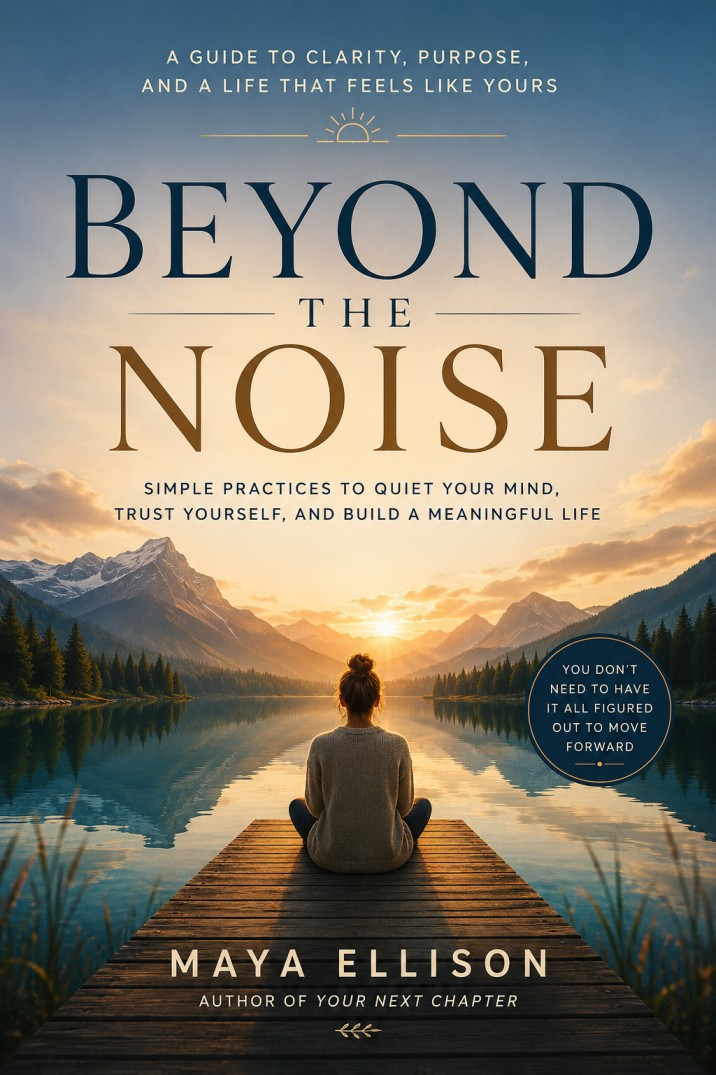
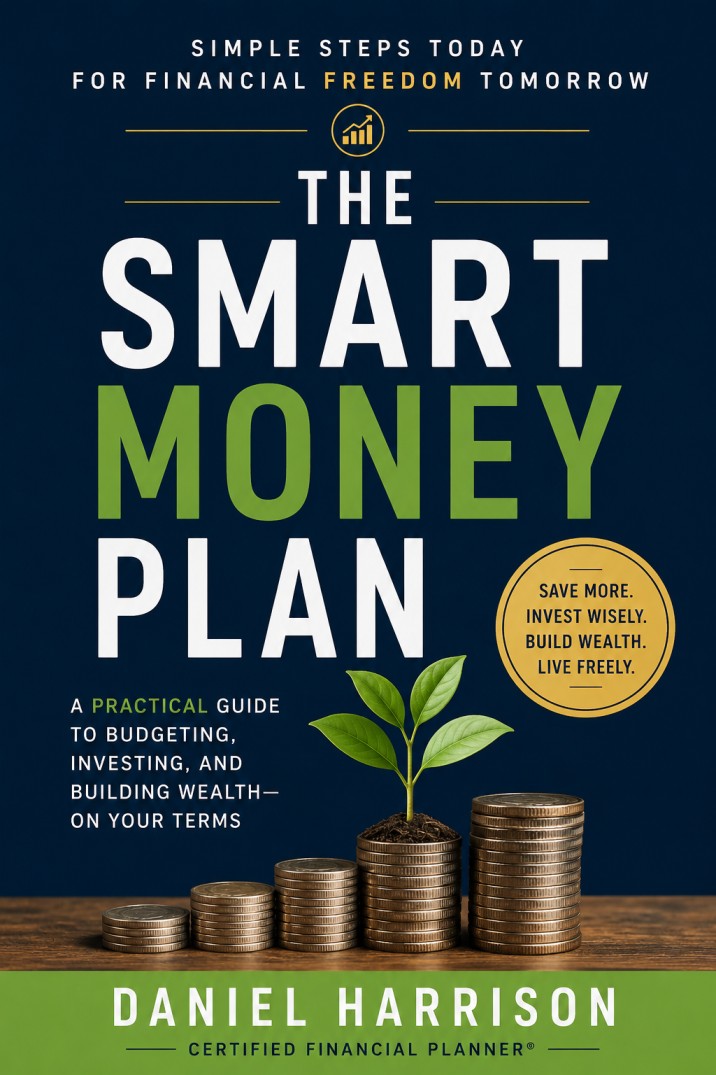
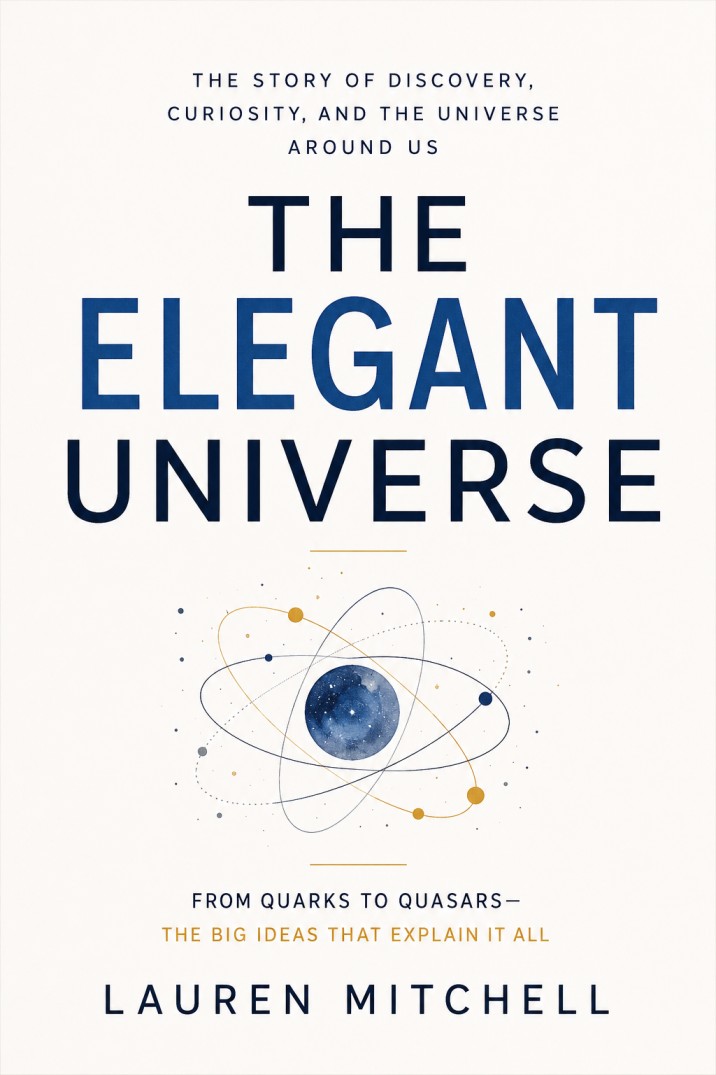
Sample book created with BookyAI — Micro Influence
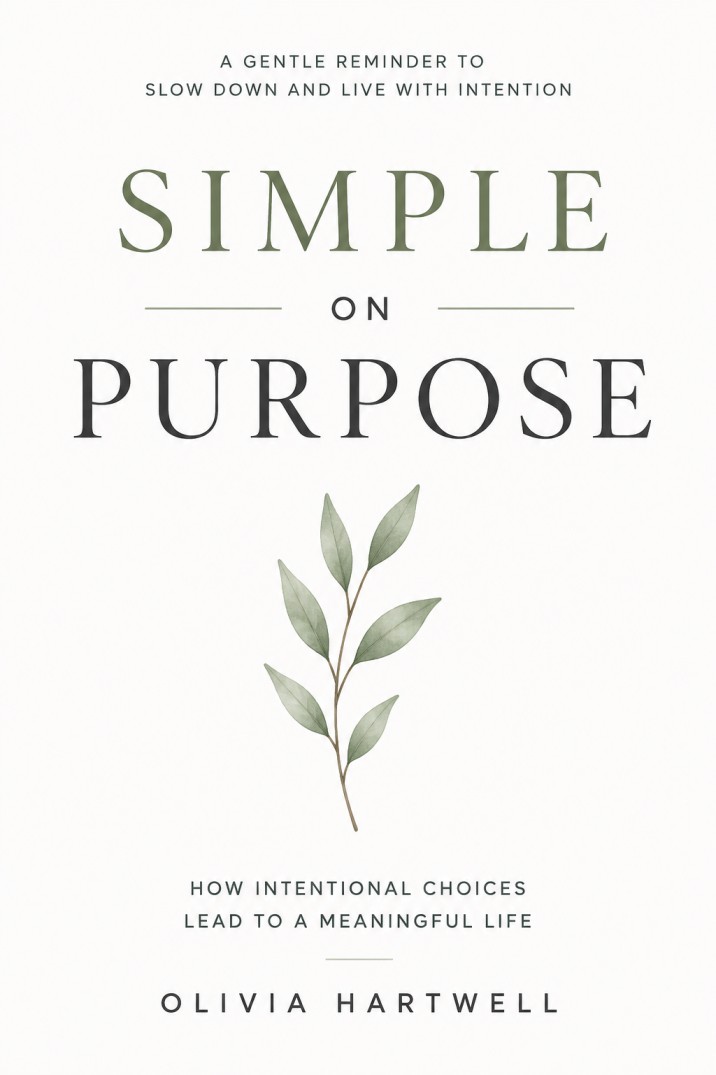
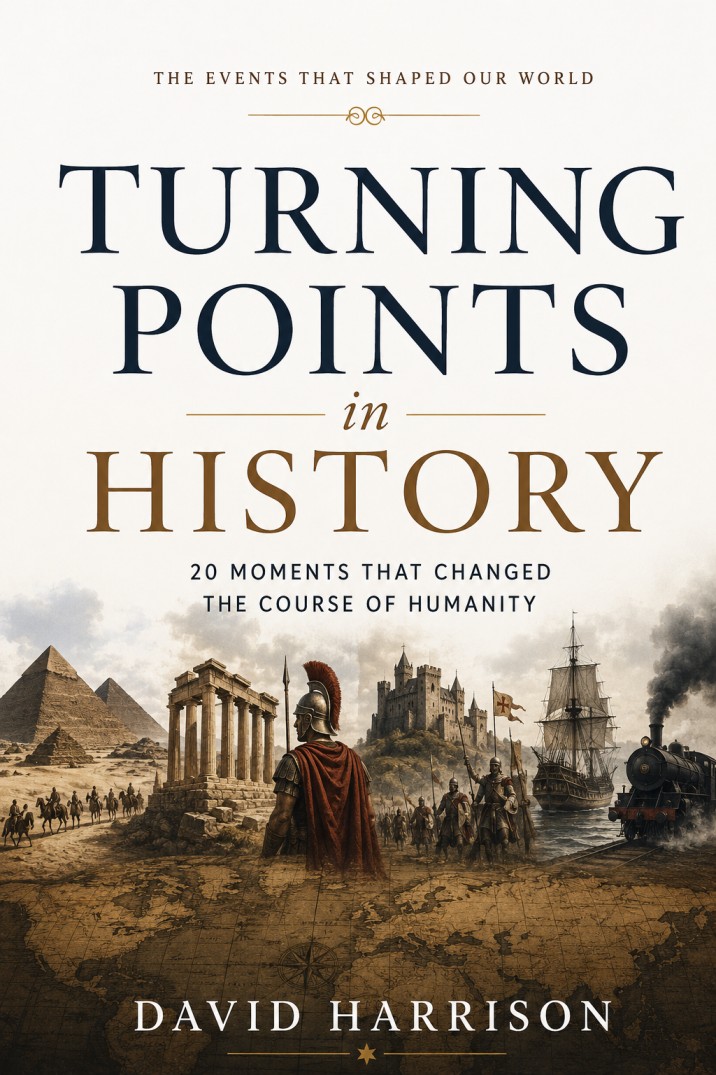
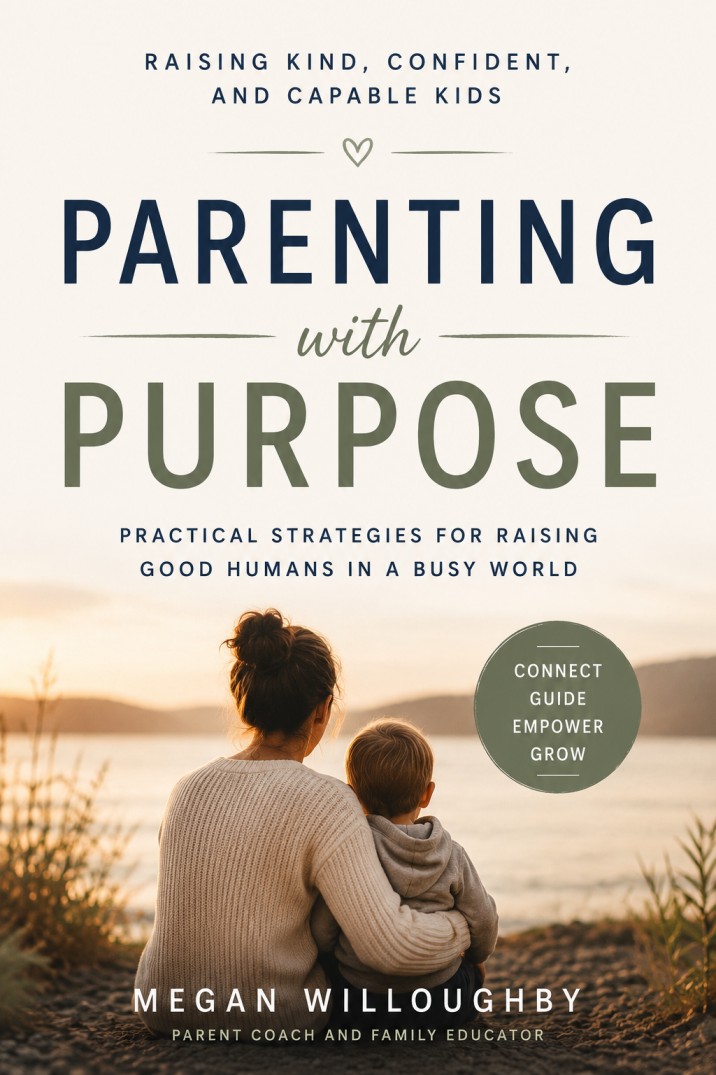
Sample book created with BookyAI — Playful Path

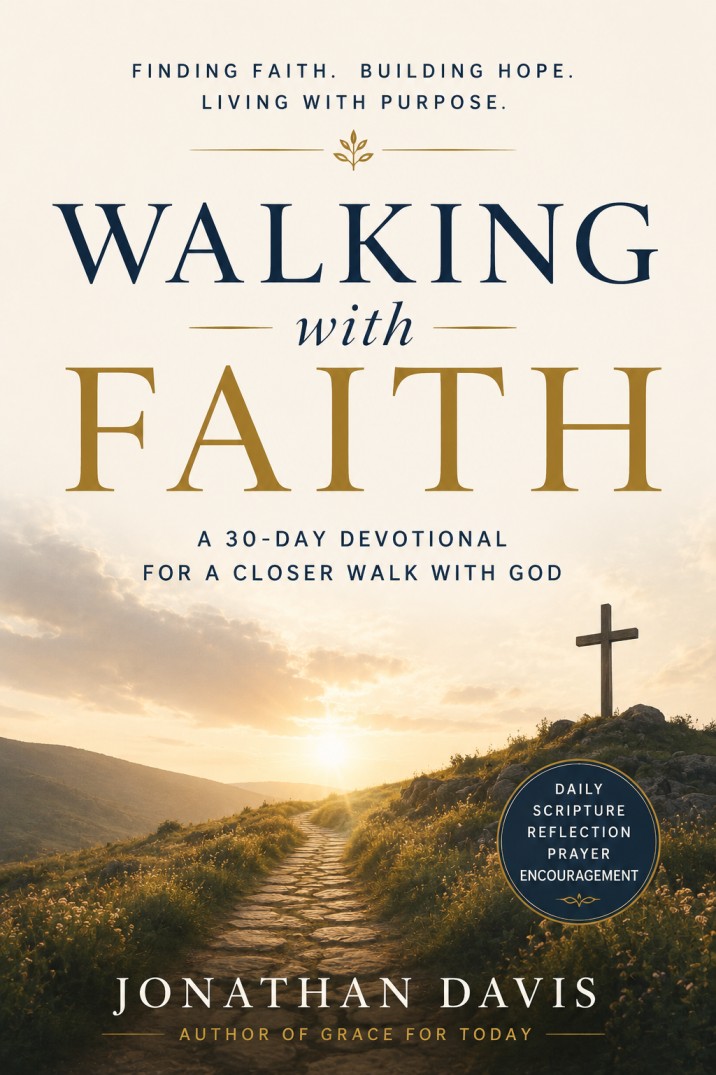
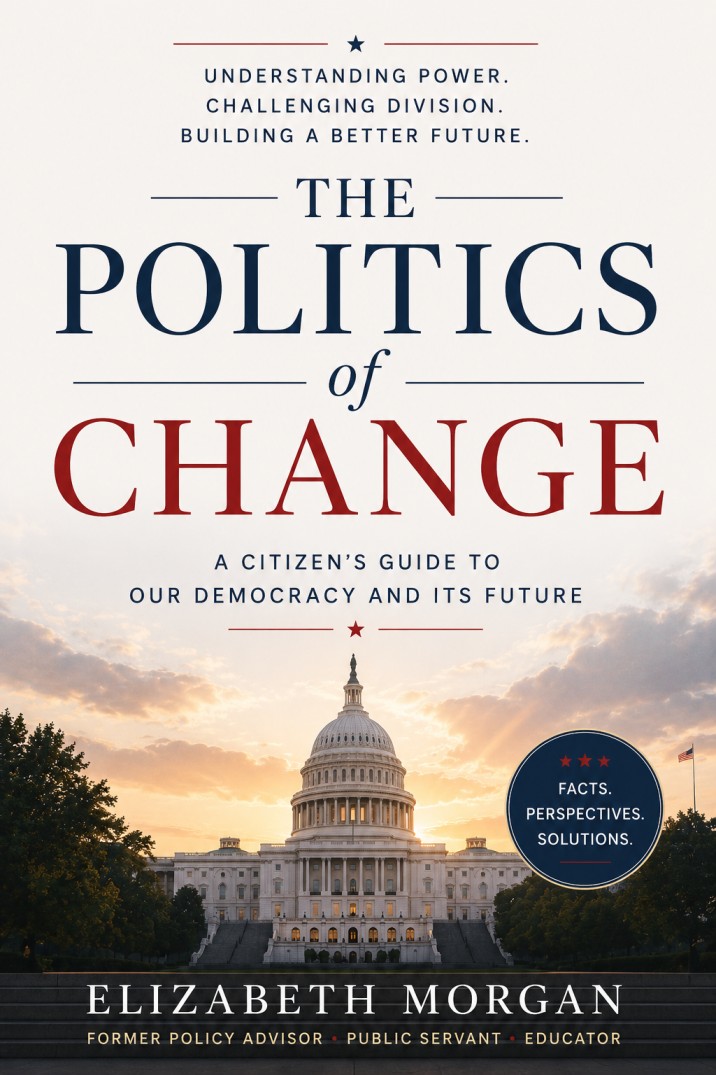
Real books created with BookyAI — from idea to published in hours.

The Complete Publishing Pipeline is the missing link between the ideas already stacked in your notes app and a bookshelf of KDP-ready books that can actually earn while you sleep.

Instead of grinding through months of drafting, coaxing raw AI into behaving, and then wrestling Amazon’s formatting rules at 2 a.m., you sit down, type in a topic, and let a local, end-to-end production line do the heavy lifting while you focus on choosing good niches and steering the ship.

Here’s what that looks like in practice.

You give BookyAI a single topic or working title.

The system maps out a full, coherent outline that makes sense for actual readers and royalty checks: table of contents, logical section flow, the supporting ideas you’d expect from a real book in your category.

From there, the same voice carries through every chapter.

No more “this sounds like five different robots” syndrome.

BookyAI orchestrates your own AI accounts behind the scenes, so each section is generated, refined, and aligned with the same tone, pacing, and promise from front to back.

It even does the boring-but-critical parts you normally put off:

  • It drafts the front-matter that makes a book look like a publication instead of a random document: title page, copyright, dedication, acknowledgements, foreword or preface where it fits.
  • It builds real back-matter: about the author (or pen name), calls to your email list, next-book recommendations, resource lists — the pieces that quietly push lifetime value up.
  • It adds citations and a bibliography where they’re needed, then runs plagiarism checks so your content is clean before it ever hits KDP.

Because everything runs on your machine with your own API keys, every chapter, every asset, every note lands as plain files on your disk.

No one can lock you out.

No subscription can vanish and take half-finished drafts with it.

The books you write belong to you, full stop. Not to me, not to a server farm, not to a company that might pivot next quarter.

You see the same advantage with formats.

Raw ChatGPT can spit out text, but Amazon cares about structure.

BookyAI doesn’t stop at “here’s a manuscript, good luck.”

It compiles your finished book into every format Amazon actually accepts: the same project turned into clean EPUB, print-ready files, and other major ebook formats, so you can upload without spending another weekend Googling arcane KDP specs.

Covers?

Handled.

It uses your AI keys to generate cover concepts, then slots the chosen design into correct dimensions for Kindle and print, instead of leaving you guessing if the spine is off by three millimeters.

16

Scripts working
under the hood

100%

Local ownership
on your machine

$0

Monthly fees
forever

All of this is run by a 16-script production toolkit and a polished web interface that sits on top of it.

You don’t have to touch a terminal window unless you want to. You open a browser, choose your project, hit go, and watch the pipeline move from research to outline to chapters to final export.

The hard work happened underneath, in the scripts you’ll probably never read. That’s the point. The complicated parts are supposed to disappear so the writing part feels light.

Now, contrast that with what you’ve probably tried.

Ghostwriters: Hiring a ghostwriter for thousands per book feels like buying time, until the draft shows up and you discover three different writing styles stitched together, filler stretched over 40,000 words, and “facts” that don’t survive a basic search. You still spend weeks rewriting and fixing, and you still don’t control the process.

Raw ChatGPT: Trying to “just use ChatGPT” sounds cheaper, but in reality it turns into a 40-hour relay race: prompt for an outline, prompt for each chapter, fix the voice drift, copy-paste into a doc, wrestle with headings, rebuild the table of contents, hope KDP doesn’t bounce your file, then start over when you spot a formatting glitch on your Kindle preview.

SaaS generators: SaaS book generators promise shortcuts, yet there’s always a ceiling: word caps, project limits, export restrictions. You pay every month to run content through someone else’s server, in someone else’s interface, with someone else deciding when to change the rules. Your manuscripts sit on their drives. Your access ends when their pricing page does.

BookyAI exists because I got tired of that game.

I’ve been publishing on KDP for years, under my own name and multiple pen names, across different niches.

I built this because I was done renting fragile tools, burning weekends fixing sloppy AI output, and waiting months between releases while other authors quietly stacked fifty titles and padded their royalty dashboards.

So I did what any stubborn builder-writer does.

I wired up the system I wished had existed on day one.

  • A one-command installer that drops everything onto my machine.
  • Source code included, so nothing is hidden behind a black box. If you want to look under the hood, the hood opens. I’m not going to pretend the machinery doesn’t exist or that you shouldn’t be allowed to see it.
  • A browser-based control panel that sits in front of a serious automation engine, turning a single topic into a KDP-ready book in hours instead of months: outline, chapters, edits, citations, checks, covers, multi-format exports. Behind that simple “go” button are weeks I spent getting the chapter-to-chapter voice handoff to actually hold, so you never have to think about it.

I used it to publish my own books.

Then a friend who’d been stuck on a manuscript for years ran their topic through it and finished a complete draft in days.

That’s when I knew this wasn’t just “my personal toolchain.”

It was a publishing system other serious writers could run, own, and rely on.

You won’t find this approach in the usual places, because the economics are backwards for most companies.

It’s far more profitable to charge you $97 every month forever, keep your drafts in their cloud, throttle your output, and upsell you “pro tiers” when you start gaining traction.

Owning a full, local, source-included pipeline that uses your existing AI accounts and only gets paid once?

That doesn’t fit their business model.

I’d rather tell you the truth about that than dress it up. A one-time price means I have to build something worth paying for once, instead of something engineered to keep you subscribed.

But it fits yours.

Because your goal isn’t to collect dashboards.

Your goal is to own a catalog of real books that keep paying out while you move on to the next idea, without spending your entire life in draft mode.

BookyAI is built for that.

  • It works if you’re a non-fiction author chasing underserved problems before they’re crowded, because you can move from idea to finished book fast enough to matter.
  • It works if you write genre fiction under pen names and need consistent voice, tidy series branding, and a reliable way to keep releasing without burning out.
  • It works if you’re new to KDP but serious about treating this like an asset business instead of a hobby blog, because it gives you a complete publishing pipeline from day one instead of a random bag of tools.

It does not replace your judgment.

You still choose topics, pick angles, review drafts, and decide what goes out under your name. The book is yours. The name on the cover is yours. The royalties are yours.

But instead of spending months wrestling with word processors, formatting quirks, and AI slop, you spend your limited time on the parts that actually move royalties:

Choosing better ideas.

Releasing more often.

Owning everything you ship.

That’s what the Complete Publishing Pipeline is really about.

Not “press one button and become a bestseller,” but finally having a tool on your own machine that turns your ideas into finished, professional books at the speed this market actually moves, without renting your future from someone else’s subscription page.

Why This Book Is Split Into 5 Parts

Speed in digital publishing is not a “nice to have.”

It is the line between a catalog that compounds royalties and a lone book that fades in the feed.

The slow way - hand-building every chapter from a blank page, guarding every sentence like a glass statue - keeps you busy, not paid.

You already feel that in your bones.

That is why I did not write “one big chapter on writing faster” and call it a day.

I broke the system into five parts.

Each part removes a different kind of drag from your process, while keeping every word, every file, and every royalty cent in your hands.

Let me walk you through them.

PART 1: BREAK THE ONE-BOOK PRISON

Part 1 cuts the chain between “hours spent typing” and “books on your shelf.”

Right now, every project feels like a fresh climb. New outline. New research. New voice warm-up. By the time you publish, the market has already moved on.

In this first part, we dismantle that pattern.

You design a repeatable engine for ideas, outlines, and structures that fit you. Not a template that flattens your voice. A quiet scaffolding underneath, holding your voice up at speed.

You see how to:

  • Strip a concept down to a simple, strong spine in minutes, not weeks.
  • Reuse winning structures across books without rehashing content.
  • Turn your existing notes, drafts, and half-finished files into new book blueprints.

This is where you stop treating every book like a one-off art piece and start treating your catalog like a planned series.

The goal of Part 1 is simple:

You never sit down at a blank page for a new book again.

You sit down inside a system you built, on a desk you own, and you move.

PART 2: WRITE LIKE A TEAM OF ONE

Once you have a repeatable spine for your books, Part 2 changes how words hit the page.

This is where most writers burn out. They try to “brute force” 60,000 words the same way they write an email: line by line, from scratch, in order.

That grind is what keeps your release schedule stuck at “maybe one book a year.”

Part 2 shows you how to act like a creative director instead of a typing machine.

You learn to:

  • Break a book into small, clear writing tasks you can move through fast.
  • Use tools - yes, including AI - without handing it the steering wheel.
  • Draft in layers, so each pass does one job well instead of ten jobs badly.

And no, this is not about spitting out junk and hoping a cover sells it. I will not teach you a method I would not put my own name on.

You stay in charge of the voice, the stories, and the argument. The system just stops you from doing all the grunt work the hard way. Hours go into making that workflow feel effortless on your end, so the only thing left for you is the writing that actually matters.

By the end of Part 2, your writing days feel different.

You sit down, you know what “today’s slice” is, and you get it done without drama. One book no longer eats your entire year. It fits into your week.

PART 3: TURN DRAFTS INTO ASSETS

You cannot bank a draft.

The digital shelves are full of half-finished manuscripts that never made it past “almost there.”

Part 3 is where we fix that. Now that you can generate strong drafts faster, we build a production line that turns them into finished, sellable books on a steady rhythm.

Inside this part, you will:

  • Lock in a lean editing loop that sharpens the work without dragging it out for months.
  • Create a simple, reusable flow for covers, formatting, and files - no tech maze, no command line, no late-night wrestling with software that should have just worked.
  • Map out a launch process that fits your life and repeats across every title.

Think of Part 3 as your internal “press.” You feed in raw material from Part 2. You get finished assets that sit on every digital store you care about, in files saved to your machine, under your name.

And because this system is yours, you are not tied to my tools, my platform, or my inbox.

Most of the industry would rather rent you your own workflow at $97 a month, forever. I would rather hand you the keys once and walk away.

You could vanish for six months and still run it. That is the point.

PART 4: SCALE WITHOUT LOSING YOUR NAME ON THE COVER

Once you can move from idea to finished book on a sane timeline, the real fun starts.

Part 4 is about scale. Not in the “factory farm content” sense. In the “stack royalties without cloning yourself” sense.

This part shows you how to increase output while your work still sounds like you wrote it on your best day.

We walk through how to:

  • Build a small “support layer” around your writing that does not water you down.
  • Delegate low-skill tasks while keeping every creative decision in your hands.
  • Use systems and tools to draft variants, spin off sequels, and expand series without burning out.

The aim is not to turn you into a manager of strangers. The aim is to let you stay the author while the rest of the process gets lighter and faster.

When you apply Part 4, your catalog starts to thicken.

One book becomes three. Three becomes ten. Each new release feeds the others. Royalties stop feeling random and start to look like a curve you actually built.

PART 5: BUILD A CATALOG THAT PAYS YOU BACK

The last part is about staying power.

Fast books that do not sell still keep you broke. A catalog with no strategy still leaks money.

Part 5 teaches you to think like a long-term publisher of your own work.

You learn to:

  • Organize your books into clear paths for readers, so one sale leads to the next.
  • Decide what to write next based on data and instinct, not panic.
  • Protect your rights, pricing, and positioning so your backlist keeps working for you.

We also look at how to tighten your loop: Every launch feeds information back into your system. You refine topics, hooks, and formats based on what your actual readers respond to.

This is where the whole book comes full circle.

You no longer spend all your time writing for a single launch day. You spend your time steering a living catalog that grows in value while you sleep, travel, or start the next idea.

And the best part?

Every piece of this - from idea capture to royalty checks - stays under your control.

No platform holds your catalog hostage. No vendor trains its next model on your manuscripts. No middleman skims your readers’ data on the way through.

You move faster. You publish more. You keep what you create.

That is what these five parts are built to give you.

Straight Answers

You Might Be Thinking…

That's exactly who this was built for.

You'll never touch a command line, never juggle a dozen cryptic prompts, never copy-paste your way through twenty browser tabs at 2 a.m. while your eyes burn.

You open a simple web page.

You fill out a plain-language form.

You click a button.

That's the whole workflow.

You'll drop in your genre, your audience, your angle.

You'll set tone once, structure once, and the system carries that voice through every chapter like a rail line.

No "prompt stacks."

No "secret hacks."

No coding degree hiding in the fine print.

Because you are not trying to become an AI engineer.

You are building a publishing catalog.

The hours behind the scenes - the careful work of making something complex feel effortless - already happened. So you don't have to.

You should be.

One chapter reads like gritty noir.

The next sounds like a cheerful blog post from 2014.

By chapter four, your book feels like a committee meeting.

That happens when you hand your book to a generic chat box and beg it, over and over, to "sound like last time."

This system flips that.

You'll lock in the blueprint one time in a structured form:

Your voice, your pacing, your level of detail, your target reader.

From there, the engine builds your outline, scenes, and chapters off that same skeleton.

You get a series, not a random anthology.

You get continuity, not chaos.

If you care about your "sound" on the page, this matters.

Your readers notice when a book feels cobbled together.

This is how you stop wrestling with a robot and start running a repeatable process you actually trust.

Perfect.

You'll skip five years of trial-and-error that most writers bleed through.

You won't spend months on a draft, hand it to a stranger for edits, wait weeks, then realize the structure was broken from page one.

You'll start from a clear book map.

You'll see your chapters, beats, and hooks laid out before you commit to 60,000 words of grind.

You'll press "generate," then refine.

You'll adjust inputs, then run again.

You won't need to "figure out" every part of publishing at once.

You'll handle structure, voice, and speed with tools, then focus your energy on the parts only you can do: insights, stories, and taste.

First-time authors usually pay in time, money, or both.

You'll pay once for the tool and learn on a fast track instead of a slow spiral.

You shouldn't. And I won't ask you to.

That payment meter running in the background of your writing life eats more profit than most people admit.

Run the math:

You publish slowly. Your subscription renews. You skip a month of writing. The bill does not skip you.

Year after year, you pay rent on access to the very tools that create your inventory.

Most tools in this space are built to bill you forever. I refused to build that.

You pay once.

You keep the system.

You keep using it for book two, book ten, book fifty.

Your catalog grows. Your costs don't.

You'll stack titles without stacking subscriptions.

You'll keep your royalties instead of slicing a chunk off to keep a dashboard alive.

For a writer planning a serious body of work, that difference is not small.

It is the line between "fun side hobby" and an actual publishing business you control.

That's not a flaw. That's discipline.

Three grand per book is what many writers pay because they've been taught that "serious" authors outsource everything.

You send a brief, cross your fingers, and months later a stranger's version of your book crawls back.

Sometimes it's solid. Sometimes it's trash.

Either way, you paid full price before you saw the product.

This system hands the production engine back to you.

You'll generate a full draft in your niche with your angle, then decide how much human editing you want on top.

You might hire a sharp editor for polish instead of a ghost for the whole thing.

You'll pay for refinement, not for someone else to guess at your vision from scratch.

You stay in creative control.

You keep the core work in-house.

You stop gambling $3,000 chips on "maybe."

They do when you do every step manually.

Drafting. Rewriting. Re-outlining. Fixing plot holes halfway through. Pulling together research you could have structured before page one.

That slow-motion chaos costs you something bigger than time: release velocity.

While you labor over one book for a full season, other writers drop titles on a weekly or biweekly rhythm.

They're not better than you.

They're running systems you aren't.

You'll use this tool to pull months of front-end work into days.

You'll get a working outline, chapter breakdown, and draft-level content in a fraction of the old timeline.

You'll then spend your limited hours on higher-quality edits, sharper hooks, and smarter marketing.

You'll still care about quality.

You'll just stop pretending that grinding every sentence from scratch is the only honest path to "good."

Speed and consistency beat flawless-but-rare in the KDP arena.

Royalties flow to people who ship.

This is how you ship more without turning your life into a word-count prison.

You're right to be wary.

Hosted tools disappear. Companies pivot. APIs change.

And writers get caught holding a half-finished catalog trapped inside an interface that no longer loads.

That is not the model here. I won't build that, and I won't sell you that.

You'll own the tool.

You'll run it in your own environment.

You'll keep your files locally and in your own backups.

If some trendy SaaS trend dies, your books won't die with it.

Your process will not live or die on whether a random startup hits its next funding round.

Your manuscripts belong to you. Your tool belongs to you. Your catalog belongs to you. Full stop.

You're building an asset base - book after book - that belongs to you.

Your infrastructure should reflect that.

It would be if you had to memorize a spellbook of prompts or click through a maze of options designed by engineers for engineers.

This is built like an intake form, not a cockpit.

Genre. Audience. Core problem. Desired outcome. Tone. Length.

You'll move down the page, answer clear questions, and watch the system turn that into a structured book.

You'll tweak one field instead of rewriting five paragraphs of prompt text.

You'll save presets for series, so book two does not start from a blank page.

The learning curve is not steep.

It's a ramp.

A couple of passes and you'll run it like muscle memory while you sip coffee and think about story, not syntax.

Every confusing layer you don't see is a layer that got worked out before you ever opened the page.

Good.

This is not built to erase you; it's built to free you.

You'll still write.

You'll still revise.

You'll still inject your opinions, your stories, your weird little metaphors that no AI would guess.

What you won't do is burn months on scaffolding.

You'll let the system handle the heavy lifting: organizing, structuring, laying out logical progressions and chapter flows.

You'll then go in and sharpen, deepen, and humanize.

Think of it as running a small studio instead of being a lone artisan hammering every nail by hand.

You'll direct the work instead of drowning in it.

The words on the page stay yours. Every one of them.

The shift from “writer” to “publisher”

This is the real pivot.

Writing everything solo, from blank page to final file, locks you into a ceiling:

Your output is capped at the number of hours you can personally grind.

Meanwhile, the shelf space on Amazon never fills.

Other authors treat the store like a conveyor belt.

They rely on tools, systems, and repeatable workflows.

They push books out weekly, biweekly, monthly.

They’re not “more talented.”

They’re more leveraged.

You’ll step into that camp.

You’ll move from “I hope to finish this book this year” to “I’m running a calendar of releases.”

You’ll still care about craft.

You’ll still fight for quality.

You’ll just stop sacrificing your income to an outdated belief that “real writers” must drag every sentence out by hand.

You’ll own the tools.

You’ll own the books.

You’ll control the process.

You’ll speed up without selling out.

And your royalties will finally reflect how serious you already are.

Real Results

What Writers Are Saying

These aren’t cherry-picked lab results. These are writers and publishers who bought BookyAI, opened it, and put it to work.

3 books in 7 days — 2 already ranking
I published three books in the first week. Two of them are already ranking on Amazon. I had spent four months on my first book before BookyAI. Now I'm working on book seven.
J

Jamie R.

KDP Author

5 books delivered in one month
As a ghostwriter I was charging $3,500 per book and burning out at three clients at a time. With BookyAI I delivered five books in the same month and my clients are happier than ever with the front-matter and references. Took me one weekend to learn the whole thing.
A

Alex P.

Ghostwriter turned publisher

Royalties 3x in 90 days
The market research suite alone is worth the price. I stopped writing books my gut said would sell and started writing books the data said would sell. Royalties tripled in 90 days.
M

Morgan K.

Non-Fiction Author

Up and running in 5 minutes — first book live on Amazon
I am not technical. At all. I was scared I wouldn't be able to install this thing, let alone use it. The start.sh command worked the first time and I had the interface open in under five minutes. The forms are stupid simple — fill in the boxes, hit Run, watch the book write itself chapter by chapter while you drink coffee. My first book is live on Amazon now. I cried.
P

Priya S.

First-Time Author

$5,000/month new revenue stream
I bought the reseller license, rebranded the tool, and now it's a $5,000/month product in my catalog. Easiest license I've ever bought. Laura basically gave me a new business line.
D

Daniel V.

Digital Publisher

There’s a growing stack of stories just like these from writers and publishers who stopped renting their tools and started owning their pipeline.

Your Investment

One Price. Own It Forever.

No recurring license. No metered usage. No “surprise, your best months now cost double.”

You pay $1,497 $997 once — limited time discount.

You get the full BookyAI system: the publishing engine, the web interface, the market research tools, the export pipeline, the cover generator, the plagiarism checker, the front-and-back-matter automation, and the source code underneath all of it.

It lands on your machine.

It stays on your machine.

Every book you create with it belongs to you.

No revenue share. No word limits. No monthly meter ticking while you sleep.

Complete BookyAI System

Limited Time — Save $500
$1,497$997

One-time payment · Full source code included

Complete publishing engine on your machine
Unlimited books, unlimited pen names
Use your own AI keys — no middleman
Full source code — look under the hood anytime
All 10 bonuses included (valued at $7,070)
30-day money-back guarantee
Get BookyAI Now — $997Instant Access · 30-Day Guarantee

Here’s the math that makes $997 disappear.

A single ghostwriter charges $2,000–$10,000+ per book. For $997 you can build as many books as your ideas allow.

A typical SaaS book tool costs $97–$297 per month. In a few months, you’ve already spent what BookyAI costs — except BookyAI never bills you again.

And unlike either of those, you keep the source code, the files, and the system. No one can raise your rate, throttle your output, or shut off the lights.

The real comparison isn’t “$997 versus $0”

Without BookyAI:

  • $2,000–$10,000+ per ghostwritten book
  • $97–$297/month in SaaS subscriptions
  • Months per manuscript
  • Files live on someone else’s servers

With BookyAI:

  • $997 once, forever
  • $0/month ongoing
  • Hours per manuscript
  • Everything on your machine

If BookyAI helps you publish just one extra book that earns even a modest royalty stream, it has paid for itself.

If it helps you publish ten, twenty, fifty books over the coming years, the return is not a multiple — it’s an entirely different financial reality.

Included With Your Purchase

$7,070 in Bonuses — Yours Free

Every tool you need to go from idea to published, bundled in.

Multi-Format Export Engine

$497

EPUB, PDF, MOBI, AZW3, HTML, Markdown — all from one source, already formatted for each platform's rules. Finish once, launch everywhere.

Multi-Provider AI Integration

$797

Gemini + OpenAI + Groq + Ollama. Multi-key rotation for uninterrupted generation. Task-aware routing so the right model handles the right job. Built-in cost tracking. Replaces $50–$200/month in separate SaaS subscriptions.

Complete Market Research Suite

$1,997

KDP keyword analyzer, topic finder, and deep-dive market analyzer. Think Publisher Rocket + KDSpy + BookBolt in one local tool. See what's selling, what's oversaturated, and where the gaps are before you write a single word.

Plagiarism Detection & Reporting

$297

Built-in plagiarism check with clear reports before you ever upload. You'll never wonder whether a section too closely echoes something already on the shelf. Protect your name, your account, your catalog.

AI Cover Generator

$497

Front and back covers via DALL·E or Gemini, with your style direction, slotted into correct dimensions for Kindle and print-on-demand. No Canva subscriptions. No Fiverr designers. No guessing if the spine is 0.4 inches too narrow.

One-Command Installer

$197

Everything — the engine, the interface, the dependencies — installed and configured with a single command. No terminal expertise. No 47-step setup guide. From "just bought it" to "using it" in one sitting.

Modern Web Interface

$997

A clean, intuitive browser-based dashboard for your entire workflow — market research, book creation, chapter editing, export, cover generation. No command-line required. Open a tab, do the work, close the tab.

12-Section Front- & Back-Matter Generator

$397

Preface, introduction, dedication, acknowledgments, prologue, epilogue, glossary, discussion guide, endnotes, bibliography, "about the author," and "also by" pages. Every section a reader or retailer expects, generated and formatted automatically.

Citation & Bibliography System

$297

Auto-tracks and formats citations as your book is built. Generates a clean bibliography section. Professional-grade references for nonfiction, self-help, and academic-leaning books — without manually numbering a single footnote.

File Organization Utilities

$97

Every project auto-organized, named, and filed. Chapters, exports, covers, metadata — all in tidy folders on your machine. Never lose track of a draft, a version, or an export again.

🛡️

30-Day Money-Back Guarantee

You have a full 30 days to put BookyAI to work.

Install it. Connect your AI keys. Generate outlines. Build out a complete manuscript. Use the export engine to create a KDP-ready file.

If it doesn’t match what I’ve described — if it doesn’t help you move faster from idea to finished book — send me an email and I’ll send your money back.

Every cent. No hoops. No arguing with a bot.

The guarantee exists because I built this system on a simple belief:

If the tool does what it’s supposed to do, you’ll never want to give it back.

If it doesn’t, you shouldn’t have to keep it.

That’s the deal.

Two Futures. One Decision.

You’ve read this far because something in here hit a nerve.

Maybe it was the math about how many books you could have shipped by now.

Maybe it was the image of someone else’s fifty-title catalogue ranking in the niche you’ve been “planning to enter” for two years.

Maybe it was the quiet realization that the tools you’ve been renting, patching together, or grinding through by hand were never going to get you where you want to be.

Whatever it was, you’re standing at a fork.

Path A: Stay Where You Are

  • Keep outlining by hand, drafting chapter by chapter, and wrestling with formatting until midnight.
  • Keep watching other authors fill niches you had circled in your notes app six months ago.
  • Keep paying $97 a month for a dashboard that holds your work hostage and trains its next model on your words.
  • Keep telling yourself “next quarter I’ll finally publish consistently” while the quarters stack up and the catalogue doesn’t.

Nothing breaks. Nothing changes. A year from now, you’re in the same spot, with maybe one more book and the same quiet frustration.

Path B: Own the System

  • You install BookyAI on your machine today.
  • You connect your AI keys.
  • You open the browser interface and type in the topic you’ve been sitting on.
  • You watch the outline form, the chapters build, the front-matter and back-matter populate, the exports stack up in your project folder.
  • By next week, you’re holding a KDP-ready manuscript that would have taken you months the old way.

Then you do it again. And again.

Your catalogue grows. Your pen names fill out. Your royalties stop looking like a trickle and start looking like a schedule.

Not because you became superhuman.

Because you stopped doing factory work with bare hands and started running a production system built for serious writers.

You built your skills the hard way. You’ve earned the right to have tools that respect that.

BookyAI is not a shortcut around skill.

It’s a multiplier on the skill you already have.

The investment is $1,497 $997 — limited time. You pay once, you keep it, and nobody comes back next month asking for more.

You also get the full $7,070 bonus bundle — every tool, every integration, every automation I described above — not as a separate purchase, but included because none of those pieces work as well alone as they do wired into the same system.

And you get 30 days to prove to yourself that this changes how fast you move.

If it doesn’t, you get your money back. All of it. No questions, no guilt, no awkward email chain. I built the guarantee that way because I genuinely do not want your money if the system doesn’t earn its place in your process.

The only risk is doing nothing.

Because doing nothing means the next twelve months look exactly like the last twelve.

Same slow timeline. Same lone book. Same dashboard envy when you see what other authors are shipping.

You don’t have to keep grinding at that pace.

You can own the engine. Build the catalog. Keep every file and every royalty.

And start writing the chapter of your publishing career where things actually move.

Get BookyAI Now — $997Instant Access · 30-Day Money-Back Guarantee

If it doesn’t do what I’ve laid out, you get every cent back. The actual risk is in doing nothing.

Your catalog is waiting.

– Laura Thompson

© 2026 BookyAI. All rights reserved.

Get BookyAI — $997 (Was $1,497)